3 Reasons Why Writers Stop and How to Get Back to Writing
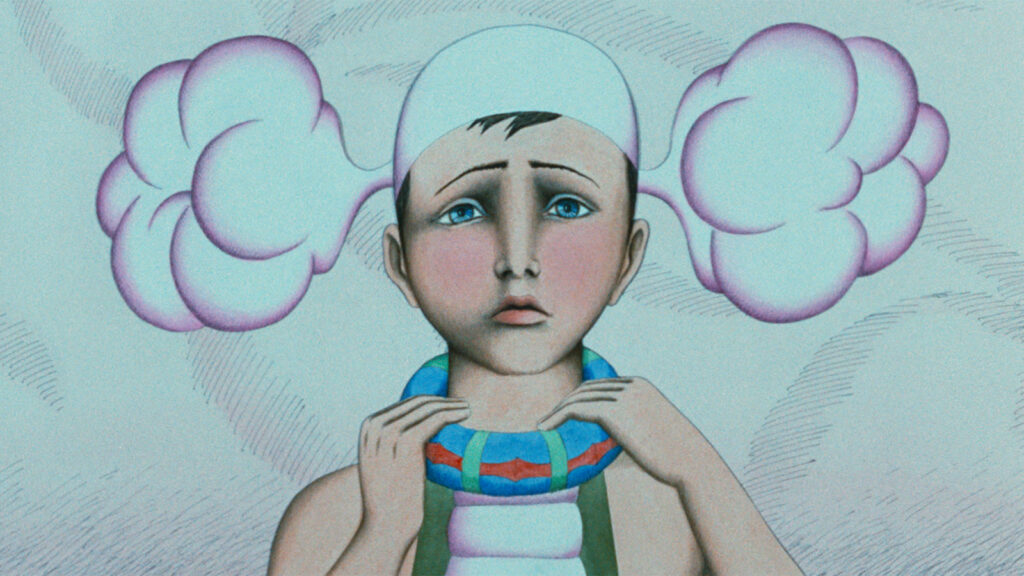
Writers stop for different reasons, and determining why your writing practice is flagging requires investigation. A lapsed reading life asks for a different remedy from a crisis of vocation, which requires a different remedy from a confidence collapse that formal training sometimes triggers. Diagnosis first. Return second.
Have you lost the words, lost the passion, or lost the confidence to keep writing? Here are three reasons writers stop, and what each one actually requires to find your way back.
1. Lost the Words (The Reading Drought)
The writing stopped, and you’re not entirely sure when. What often goes unexamined is what stopped first—because for many writers, the writing didn’t fail on its own. The reading did. Maybe you started a new commute to work that stole all your reading time. Maybe you got tired and started watching TV instead of reading. Maybe a change in circumstances, a new job or a new family member, hogged your reading time with uninspiring material.
Whatever the conditions, without an inspiring reading practice, the words for what you wanted to say in your writing may simply disappear. The connection is that direct. When the reading stops, the writing stops. Not immediately, perhaps, but inevitably. The well runs dry.
The return doesn’t always look like what you expect. Sometimes you pick up the book everyone has been pressing into your hands for years—the one people speak about with the reverence of a religious experience, the one they wish they could read again for the first time—and it simply doesn’t work for you.
The reading life that replenishes your writing is the one that actually engages you, not the one that’s supposed to.
When literary fiction stops working, try another genre. An example: biography. There’s a particular satisfaction in following a life from its origins—the parents’ chapter at the beginning, the full arc from birth to death, the sense of a world rendered comprehensible from end to end. That comprehensibility is its own reward, distinct from what a novel offers but no less nourishing. When craft-forward work stops feeding you, biography may feed you differently. The writing of a life still requires precision and care. It just wears different clothes.
Reading is necessary. Some writers claim otherwise, swearing off all reading while drafting out of fear of influence, but most find the opposite to be true. You’ll know which kind you are. And don’t hide behind the discomfort of reading when compared to other, easier forms of consumption.
The most common mistake when the reading life has gone dry isn’t reading too little, but forcing yourself to finish the wrong book. Give any book twenty pages. If it isn’t pulling you forward by then, put it down without guilt and try something structurally different. If fiction isn’t working, try biography. If contemporary isn’t working, try historical. If literary isn’t working, try narrative nonfiction. Grant yourself permission to abandon. Follow pull rather than obligation, and the words will follow the reading.
But losing the words is the easiest diagnosis to treat. Losing the passion, or believing you have, is harder.
2. Lost the Passion (Or Did You?)
Something took the joy out of it. Maybe it was a program, a workshop, a stretch of rejection, or the slow accumulation of other people’s opinions about what your writing should be. Whatever the cause, you arrived at the same place: not wanting to write anymore.
Before dismissing this as a failure of the program or a failure of the self, consider the possibility that neither is true. Writers who emerge from formal training feeling deflated are rarely describing a loss of passion. They’re describing something more specific—and more survivable.
If you genuinely don’t enjoy writing anymore, remember Lorrie Moore’s story “How to Become a Writer,” from her collection Self-Help. It opens with a line that has never stopped being true: “First, try to do anything else.” If you’ve tried everything else and writing is still the thing you return to, still the absence you feel most acutely—if you’ve attempted to simply be a person who doesn’t write, and found it doesn’t hold—then the passion isn’t gone, it’s waiting.
Before deciding either way, try this: sit with one question for a single day. Not “do I want to write?” but “what happens when I imagine never writing again?” If the answer is relief, great! You have avoided a life of artistic frustration and financial ruin. If the answer is grief, maybe the passion has just been buried under the weight of what writing was supposed to become.
The harder question is what you do when you feel you still need to write but can no longer access it. We might call this a kind of artistic malnutrition, and it calls for a different response than simply pushing through. Hence the third reason—the one that masquerades as lost passion but is actually something more precise.
3. Lost the Confidence (The Dunning-Kruger Effect)
Here’s the sad truth if writing isn’t something you can leave behind. What happened is that you learned enough about writing to understand how much you don’t yet know, and that understanding arrived faster than the confidence to meet it.
There’s a well-documented curve called Dunning-Kruger: early in any skill, confidence is high because you don’t yet know what you don’t know. Then, at roughly twenty percent mastery, confidence collapses. You’ve learned enough to understand the distance between where you are and where you want to be.
This realization may feel like failure, may feel like all the writing you’ve ever done and will ever do is complete garbage. It’s not that. It’s the first evidence of genuine progress.
Writers who loved the craft as a hobby and then pursued it formally often land at this dip and mistake it for a verdict. When they persist, confidence rebuilds—slowly, unevenly, never returning to the easy certainty of before, but becoming sturdier in its place.
If this is where you are, the prescription isn’t more ambition. It might be permission to write badly for a while, without the weight of vocation pressing down on every sentence. Return to writing as play. Lower the stakes.
In practice, that means this: close the writing forums. Close the tabs. Stop reading other people’s publication announcements on social media. Write one paragraph—not a scene, not a chapter, just one paragraph about something you noticed today. Not toward a project. Not for anyone. Just the thing you noticed, rendered as precisely as you can.
Five minutes. That’s the re-entry point. Everything else follows from that one paragraph.
There’s no reason to haunt writing forums and online communities if the dream feels inaccessible. Stop window shopping. Save up the nerve and buy the damn dress. Get back to the table.
All three paths back to writing require honesty with yourself.
- If the words have dried up, read, and give yourself permission to abandon the books that aren’t working.
- If the passion feels gone, ask what happens in your body when you imagine never writing again.
- If the confidence collapsed, write one paragraph about something you noticed today, for no one, toward nothing, never to be read by another human (if that’s what you need to hear).
When you’re ready to move again with purpose, a fiction writing coach and developmental editing support can help you find your footing. Hewes House is rooting for your return.