How to Write an Artist Statement That Actually Sounds Like You
At some point in your writing life, you will have to write an “artist statement.” It might be for a residency, a grant, a grad school application, or any other process where you have to explain just what the heck you’re doing in your art, and why it should matter to other people. It’s a daunting prospect, and nearly every artist struggles with this part of the process.
Visual artists know the pressure well. At contemporary art fairs, buyers pay for VIP tickets, often a couple hundred dollars, for a first look. Only later does the fair open up to everyone else on the weekend. The galleries present the work of their artists in cubicles, often with the artist present. When you enter, you’re confined to that space, and you more or less have to talk to the artist or say something. And many artists, if you engage with the art in any way, start to tell you what it is about. They can’t help themselves. They’ve been primed, very wisely, by years of having to talk about their art.
Writers rarely get that practice, yet residencies and grants still ask for an artist statement.
Why Is an Artist Statement So Hard to Write?
An artist statement is a short piece of writing that explains what your work is about and why you make it. It’s hard to write because finding language for your own art-making is difficult. You are speaking about the work, writing about it, and presenting your own seriousness, all at once.
Visual artists face this so often that being able to speak about their art is a big component of an MFA, and a notoriously difficult one. A visual medium is even more abstracted than writing. Writers have a slight advantage here, yet most will have to write and revise their artist statements continuously throughout their careers.
Get Clear for Yourself First
Being able to concretize for yourself what you are doing is a strange skill, but a very useful one. At a place like an art fair, talking to many artists in a row, you can tell who has solidified what they are doing for themselves, because their explanations are often quite simple.
It isn’t complicated to parse out why they are saying what they are saying. You look at their painting, for example, and then you talk to them, and it is quickly apparent what is going on. With other artists, you find yourself working to understand why something is thematically about oppression and the shadow self, when the painting gives no clues.
Keep in mind that what you’re aiming for, above all else, is clarity: What themes are you exploring, and what big questions are you presenting to your audience?
Start With the Plot Version
Many true geniuses are underwhelming when it comes to talking about their own work. Hearing them describe it can be a letdown. They’re simply interested in what interests them: there was a fence outside the window, and the chain link was so beautiful. Said by an artist, that sounds lovely. And the “plot” of their description matches what you are looking at in their painting: a fence, a window, beauty.
It’s hard for artists to talk about their own work because they often know that if they try to articulate their heart and their soul, it’ll sound silly. So they find a way to discuss the work in its literal, even shallowest, terms. They find the plot version of their work, and they tell you what that is.
So start with the plot. For a clearer sense of your work, think of it as an elevator pitch, where you can say simply that the book is about X, Y, and Z.
When You Don’t Know, Write From Discovery Mode
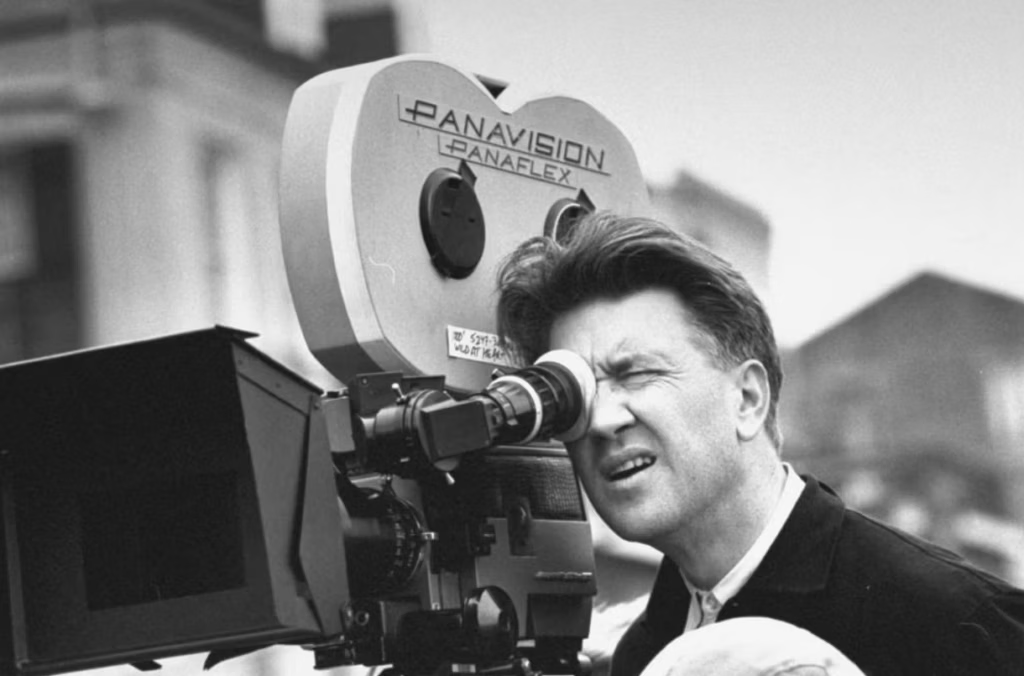
Take David Lynch, for example. He simply didn’t talk about what his work “meant.” He preferred to leave the mystery of his art intact, refusing to explain away the symbolism or magic of it. Ask about Eraserhead and you would hear the plot: a man finds out that his girlfriend is pregnant, worries about it, and ends up having to take care of the baby himself, because she leaves.
A large part of his process as a filmmaker was going into discovery mode: look at this thing that just happened, let’s play that up. There was no way to foretell what the film would be until he got to the actual doing of it. As writers, we’re familiar with discovery mode in a piece we’re working on, where we might wonder: why am I writing so much about X right now? But we trust the process, our private world of symbols, our inner voice.
Your artist statement can work the same way. Tell the plot honestly, and let the writing do the rest. You don’t have to explain away the magic of your work. Start with the plot, then add the themes you’re drawn to, and trust your voice as a writer to connect the dots. Your artist statement should sound like you, not like a prefabricated template you’re filling out (which is why we won’t hand you one: there’s no form or structure for an artist statement that works for everyone).
Try This: Write Your Statement in Five Moves
- Explain it to yourself first. Write a private version until you know what you are doing. Get very clear on your vision. Imagine having a conversation with readers who’ve stopped by your “booth” at an art fair, and you’re explaining your work and your interests as an artist in the most concise, crystallized language possible.
- Start with the plot version. Describe the work in literal terms before reaching for meaning. What happens, and to whom?
- Fill in the blanks. “This book is about ___, ___, and ___.” Or: “I’m interested in ___, ___, and ___.”
- Go into discovery mode. Trust your voice. Listen to it. Write a few sample artist statements, and each time allow yourself to explore, to have fun, and to discover what emerges from your inner well of creativity.
- Submit early. Treat the day before the deadline as the deadline.
Once the statement is written, send it. Don’t miss the deadline, and don’t talk yourself out of submitting because you think you won’t be accepted anyway. Have confidence, and know that each time you write the artist statement, each time you submit, it gets easier. And you’re getting one step closer to making your writing dreams come true.
Book a free consultation with a Hewes House writing coach or editor to talk through your artist statement, and leave with language that sounds like you.